
Denys Chumak
09 Oct 2026
Dog in a Dream: Meaning and Symbolism
In short: A dog in a dream usually points to loyalty, trust, or a relationship needing attention. Here's what different dog dreams mean and when they matter.
You woke up thinking about that dog. Maybe it was friendly and followed you everywhere, maybe it snapped at you out of nowhere, and now you're turning the dream over in your head wondering if it means something about a person in your life, or about you. That instinct to pay attention is a good one. Dogs show up in dreams more than almost any other animal, and they rarely show up for no reason.
This guide walks through what dog dreams commonly represent, the most frequent variations people report, what psychologists make of them, and how to figure out whether your particular dog dream is worth sitting with.
What a Dog in a Dream Commonly Means
Across most dream interpretation traditions, dogs are tied to loyalty, companionship, trust, and protection. That makes sense given how dogs function in waking life. We breed them for devotion. We trust them to guard our homes and warn us of danger. So when a dog appears in your dream, your mind is often reaching for a familiar symbol of faithfulness, friendship, or vigilance, and asking you to notice where those qualities stand in your own life.
But the meaning shifts a lot depending on the dog's behavior, its condition, and how you feel around it. A calm dog resting beside you suggests settled trust, maybe in a relationship or in your own instincts. A dog barking at a stranger can point to your gut sense that something or someone in waking life deserves caution. A dog that bites or chases you often reflects a conflict you have been avoiding, frequently with someone you actually consider a friend or ally, which is part of why those dreams feel so unsettling.
The dog as a dream symbol is flexible enough to carry almost any emotional charge, so context matters more than the animal itself. Was the dog yours? A stranger's? Did it feel safe or threatening? Those details usually say more than the simple fact that a dog showed up.
Common Dog Dream Scenarios
A Friendly Dog Following You
This is one of the most common and comforting dog dreams. A dog that trots along beside you, wants your attention, or seems happy to see you often reflects loyalty you already have in your life, or loyalty you're craving. It can point to a friend or partner who has your back, or to your own capacity for devotion. If the dog felt like a comfort rather than a nuisance, this dream is usually reassuring rather than cautionary.
A Dog Attacking or Biting You
A dog attack in a dream tends to land hard emotionally, and for good reason. These dreams often surface when you feel betrayed or threatened by someone you trusted, even if you haven't consciously named that feeling yet. Because dogs symbolize loyalty, an attacking dog can represent the uncomfortable sense that loyalty has turned, or that you're bracing for someone close to you to let you down. It can also reflect anger you're suppressing, since the aggression in the dream may actually be yours, displaced onto the animal.
A Black Dog
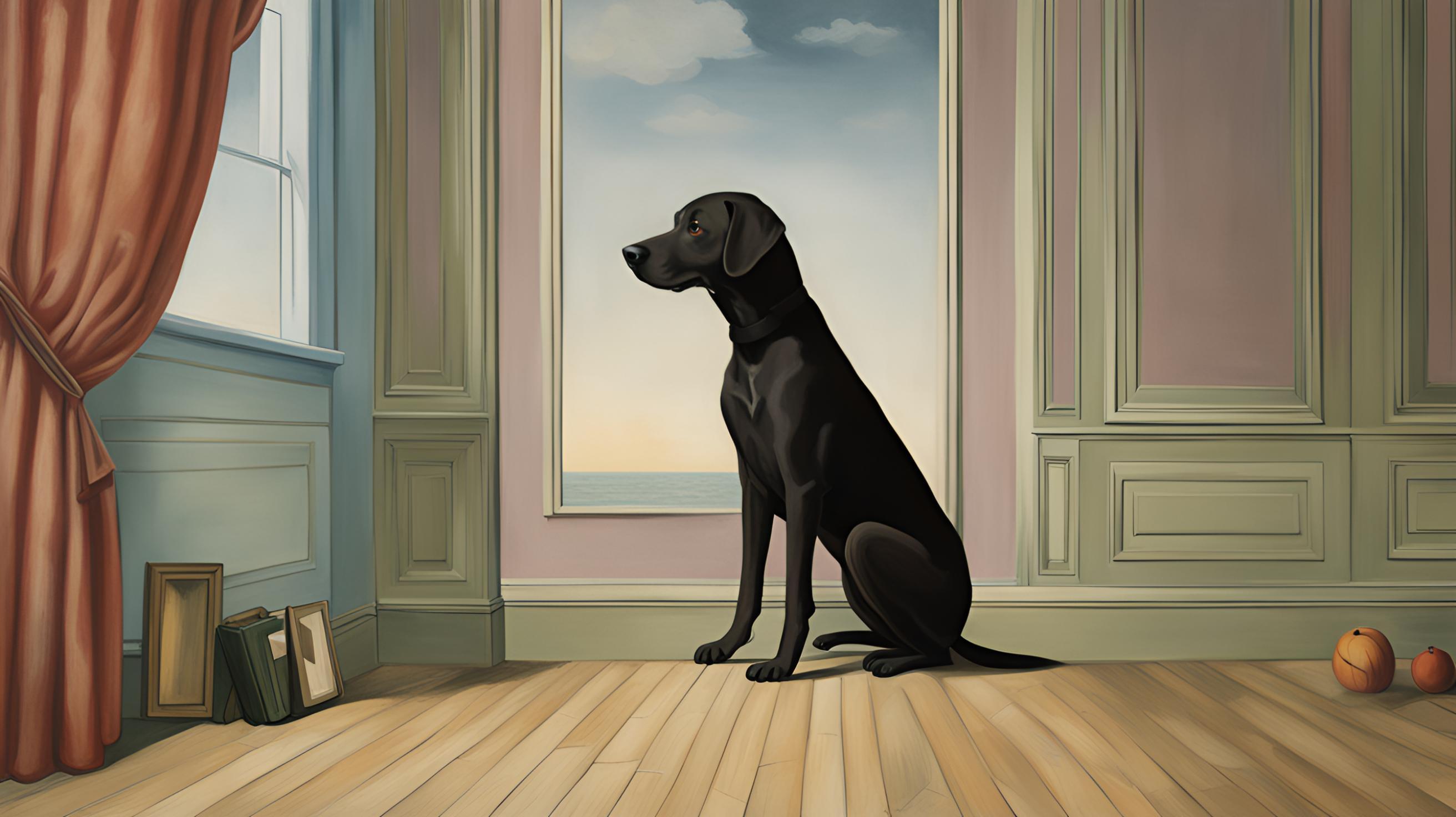
Dreams featuring a black dog carry a heavier emotional tone for many people, partly because of old folklore linking black dogs to omens and partly because dark colors in dreams often get tied to the unknown or the unconscious. A black dog isn't automatically a bad sign. Depending on its behavior, it can represent a part of yourself you've pushed into shadow, such as anger, grief, or instincts you've been told to ignore. If the black dog in your dream was protective rather than frightening, it may actually point to strength you haven't fully claimed yet.
A Brown Dog
A brown dog tends to show up in gentler, more grounded dreams. Brown is often associated with earth, stability, and the everyday, so a brown dog frequently represents a dependable presence, whether that's a real relationship or your own steadiness. These dreams are less about warning and more about affirming that something solid is already in place in your life.
A Dead Dog
A dead dog in a dream can be jarring, especially if you have a dog in waking life and wake up anxious that something's wrong. Dream researchers generally caution against reading these literally. A dead dog more often symbolizes the end of a particular phase of trust or loyalty, such as a friendship that has run its course, a sense of protection you've lost, or a part of your own character that feels like it's faded. It can also surface during periods of genuine loss or transition, where something dependable in your life is changing shape.
A Dog You Don't Recognize
Stray or unfamiliar dogs in dreams often represent new relationships or new instincts entering your life that you haven't fully assessed yet. If the strange dog felt threatening, it might mirror wariness about a new person or situation. If it felt curious or friendly, it could suggest you're more open to new connections than you've consciously realized.
Multiple Dogs or a Pack
A pack of dogs frequently shows up during periods when you feel outnumbered or pressured by group dynamics, whether at work, in a family, or in a friend group. It can reflect either the comfort of belonging to something bigger than yourself, or the anxiety of feeling surrounded and judged, depending on how the pack behaved toward you.
The Psychological View
Freud tended to read animals in dreams as stand-ins for instinctual drives, the parts of ourselves that are more primal than polite. A dog, in his framework, might represent loyalty or desire operating below conscious awareness, something your rational mind hasn't fully processed yet.
Jung took a broader view, treating animals as symbols from the collective unconscious that carry shared human meaning across cultures. For Jung, a dog could represent the instinctual self, the loyal companion archetype, or even a guide figure helping you navigate the unconscious, not unlike the mythological dogs that guard thresholds in folklore around the world. A dog attacking you, in this light, might represent an internal conflict between your conscious values and an instinct you've been ignoring.
Modern dream research, particularly the continuity hypothesis championed by researchers like Calvin Hall and later supported by work from G. William Domhoff, takes a more grounded approach. It suggests dreams largely reflect our waking concerns, relationships, and emotional states rather than hidden symbolic messages. Under this view, a dog dream is less about universal symbolism and more a reflection of how you currently feel about trust, loyalty, or protection in your actual life. If you've been worried about a friend pulling away, or if you've recently taken on a protective role for someone, your brain may simply be processing that through a familiar, emotionally loaded image.
Both views agree on one thing: the dog in your dream is rarely about the dog. It's about what the dog represents to you personally, shaped by your own history with these animals and the people in your life who've shown you loyalty or let you down.
When to Pay Attention
Most dog dreams are not warnings, and a single strange dream about a dog biting you or dying doesn't mean something bad is coming. But there are a few patterns worth noticing.
If you keep having the same dog dream repeatedly, especially one involving fear or aggression, it's worth asking what unresolved situation in your waking life keeps resurfacing. Recurring dreams often persist specifically because the underlying issue hasn't been addressed yet.
If a dog dream leaves you unusually shaken, anxious, or tearful after waking, that emotional intensity is information. It suggests the dream touched something real, even if you can't immediately name what.
If the dream clusters around a specific relationship, for instance you keep dreaming about dogs after spending time with a particular friend or partner, that's a fairly direct signal your mind is working through how much you trust that person.
I once went through a stretch of dreaming about a dog that kept running off without me, no matter how much I called it. It took me embarrassingly long to connect it to a friendship where I felt like I was always the one chasing. Once I named that, the dream stopped coming back. That's often how it works. The dream isn't trying to be cryptic, it's trying to get your attention on something you already half know.
Practical Steps for Working With the Dream
Start by writing the dream down as soon as you wake up, including details that feel irrelevant, like the dog's color, size, and behavior, along with your own emotional reaction. Details fade fast, and the emotional tone of the dream is often more revealing than the plot.
Next, ask yourself what loyalty, trust, or protection look like in your life right now. Is there a relationship where you feel secure, or one where you feel uneasy? Dog dreams frequently cluster around exactly these questions.
Consider your personal history with dogs too. Someone who grew up loving dogs will likely experience a dog dream very differently than someone who was bitten as a child. Your own associations color the symbol as much as any universal meaning does.
If the dream involved conflict, like an attack or aggression, try sitting with the possibility that the dog represents a part of yourself rather than only another person. Ask what instinct, anger, or need you might be suppressing that wants more attention.
Finally, if you're a dog owner, it's worth knowing that the line between your sleeping dog and your dreaming mind isn't as separate as it feels. If you're curious about what's happening in your actual dog's head while they twitch and sigh beside you at night, this piece on how to tell if your dog is dreaming is worth a read, if only to appreciate how much dreaming, in dogs and humans alike, seems built around processing the day.
Frequently Asked Questions
Does dreaming about a dog mean someone is being disloyal to me?
Not necessarily. Dog dreams involving aggression or betrayal can reflect anxiety about loyalty, but they can just as easily reflect your own internal conflict or unspoken anger rather than an actual warning about another person. Look at how the dream made you feel and whether it connects to a real relationship currently on your mind before assuming it's predictive.
Is it bad to dream about a dog dying?
Not inherently. A dead dog in a dream is usually symbolic rather than literal, often pointing to the end of a phase, a shift in a relationship, or a part of yourself that feels like it's faded, rather than foretelling anything about a real pet or person. It can feel distressing, but it's rarely a literal omen.
Why do I keep having the same dog dream over and over?
Recurring dreams, including recurring dog dreams, usually point to an unresolved emotional issue your mind keeps circling back to because it hasn't been fully processed or addressed while you're awake. Identifying what situation in your life involves similar feelings of trust, threat, or loyalty is often the fastest way to understand why the dream keeps returning.
Explore the dream symbol
Dog →

Did you have an unusual dream with this symbol?
Let's analyze this dream with our expert!
At least five words, please.

Your dreams are completely private
Take control of your dream emotions in the free mobile app



The most recent users' dreams
Go to the user dreams page














© 2024 Dreamapp Ltd
Follow us on Social:



Dream App
Free dream interpretations

(1,213)