
Denys Chumak
03 Aug 2026
Interpretations of Dreams: What Your Mind Is Actually Telling You
In short: Understand what your dreams really mean with a clear, psychology-grounded guide to common dream interpretations, symbols, and how to decode your own.
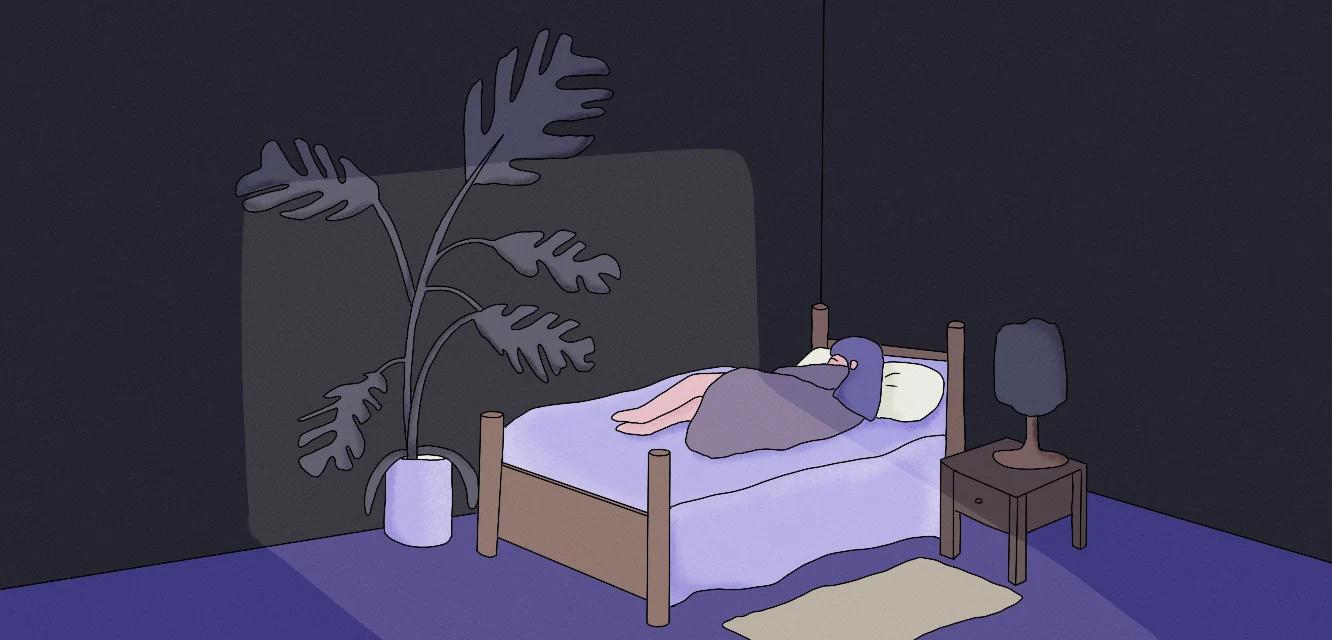
You wake up with a dream still clinging to you, a strange scene, a familiar face doing something it never would, a feeling that lingers longer than it should. You reach for your phone to search the same question so many people type in at 3am: what does this actually mean, and why did my mind choose this particular image to show me.
That instinct to make sense of it is not superstition. It is one of the oldest human habits there is. Every culture has developed its own system for interpreting dreams, and modern psychology has spent over a century trying to explain why we dream the things we dream. The honest answer is that there is no single, universal decoder ring. But there are patterns, and once you understand them, your dreams stop feeling random and start feeling like a conversation with yourself.
What dream interpretation actually means
Dream interpretation is the practice of connecting the images, people, and emotions in a dream to something happening in your waking life. It is not fortune telling. Sigmund Freud believed dreams were disguised wish fulfillment, a way for repressed desires to sneak past the mental censor while you sleep. Carl Jung took a broader view, arguing that dreams draw on a shared reservoir of symbols, what he called archetypes, and that they compensate for parts of ourselves we neglect during the day. Modern sleep researchers add another layer: dreaming appears to help the brain process emotional memory, rehearse threats, and consolidate learning.
A widely cited content analysis of thousands of dream reports found that a large share, over a quarter, involve hypothetical or imagined scenarios rather than literal replays of the day. Even more striking, dreams that seem to anticipate future events almost always borrow heavily from recent past interactions. In other words, your brain is not predicting anything supernatural. It is stitching together fragments of memory, worry, and desire into a story, and that story usually has something to say if you slow down enough to listen.
The practical takeaway is this: dream meaning is rarely about the literal content. A dream about your teeth falling out is almost never about your teeth. It is about what teeth represent to you, confidence, appearance, control, and how that theme is showing up somewhere in your life right now.
How to start interpreting your own dreams
Before you can interpret anything, you need material to work with, and dreams fade fast. Within minutes of waking, most of the detail is gone. Keep a notebook or a notes app by your bed and write down whatever you remember the moment your eyes open, even if it is just a color, a feeling, or a single image. Full sentences are not necessary. Fragments are often enough to jog your memory later.
Once you have a few entries, look for patterns rather than trying to crack each dream in isolation. Ask yourself a short set of questions for each one:
- Where did the dream take place, and how did that setting feel?
- Who else was there, and what is your relationship to them?
- What emotion was strongest, fear, relief, embarrassment, longing?
- What object, action, or image stood out the most?
- Does anything in the dream echo something happening in your waking life this week?
The emotional tone is often the most reliable clue you have. Two people can dream about the exact same scenario, say, standing at the edge of a cliff, and have opposite interpretations depending on whether the dream felt terrifying or exhilarating. Content matters less than the feeling wrapped around it.
Common dreams and what they tend to mean
Certain dream scenarios show up across cultures and age groups so consistently that researchers consider them near universal. Here is what psychologists generally believe is behind the most common ones.
Falling
Falling is one of the most reported dreams worldwide, and it typically surfaces during periods when you feel unsupported, unstable, or out of control in some part of your life. It might be a job where the ground keeps shifting under you, a relationship that feels shaky, or a general sense that you are not as prepared as you should be. Notice what you were doing right before you fell in the dream. That moment often points to the specific pressure your mind is trying to process.
Being chased
A dream about being chased usually reflects avoidance rather than actual danger. Something in your waking life, a conversation, a decision, an emotion like guilt or resentment, is being sidestepped, and your subconscious is dramatizing that avoidance as a pursuit. Pay attention to who or what is chasing you. A stranger might represent an unnamed fear, while a known figure often points to unresolved tension with that specific person or what they represent to you.
Teeth falling out
This one alarms people every time, but it rarely has anything to do with dental health. Dreams about losing teeth are commonly linked to anxiety about appearance, aging, or a perceived loss of power in a social or professional situation. If this dream keeps recurring, it is worth asking where in your life you feel like you are losing your voice or your grip on how others see you.
Being naked in public
Exposure dreams tend to appear when you feel unprepared, judged, or vulnerable in a waking situation, whether that is a work presentation, a new relationship, or simply the sense that people can see through you. Interestingly, how embarrassed you feel in the dream matters. If you feel unbothered by the nudity, it may actually reflect a growing comfort with being seen as you truly are.
Missing an exam or showing up unprepared
Even decades after school ends, this dream persists for a huge number of adults. It generally shows up when you are facing a real-life evaluation, a performance review, a milestone birthday, a big decision, and you feel like you have not done enough to be ready for it. The dream is less about the test itself and more about the fear of being judged and found lacking.
Losing control of a vehicle
Driving dreams map closely onto how much agency you feel you have over your own direction in life. A car with no brakes, a bus you cannot steer, or a road that keeps changing shape usually points to a period where decisions are being made for you, or where you feel like you have lost the wheel on something important, career, health, or a relationship.
What psychology says is really happening
Strip away the mysticism and two dominant psychological frameworks remain useful today. The Freudian view treats dreams as a kind of pressure valve, letting out desires and anxieties the conscious mind keeps suppressed during the day. This is why dreams often feel exaggerated or taboo, they are less filtered than your waking thoughts.
The Jungian view treats dreams as compensatory, meaning they tend to surface whatever is missing or ignored in your conscious life. If you spend your days being the reliable, composed one, do not be surprised if your dreams get chaotic and uninhibited. Jung also argued that certain images, water, houses, shadows, the dead, recur across cultures because they tap into shared human experience rather than personal memory alone.
More recent research adds a third piece: the threat simulation theory, which suggests that dreams, especially anxious ones, act as a kind of low-stakes rehearsal space for the brain to practice handling danger and difficult emotions. This is partly why nightmares spike during periods of real-world stress, grief, or major life transitions. Your brain is not malfunctioning. It is training.
A quick personal note here: I went through a stretch a few years back where I dreamed almost nightly about misplacing my keys, over and over, in different houses I did not recognize. It took me embarrassingly long to connect it to a job where I genuinely felt locked out of decisions that affected me. Once I named that in waking life, the dream simply stopped. That is often how it works. The dream is not trying to be clever. It is trying to get your attention.
Recurring symbols worth paying attention to
Beyond specific dream scenarios, certain objects and settings show up again and again and carry fairly consistent symbolic weight.
Houses
A house in a dream usually represents the self, with different rooms mapping to different parts of your psyche. A cluttered attic might point to old memories or unresolved thoughts, while a flooded basement can suggest emotions you have buried and not dealt with. The overall condition of the house, whether it is being renovated, falling apart, or unfamiliar, tends to mirror your current sense of internal stability.
Vehicles
Cars, trains, and boats generally symbolize your progress toward goals and how much control you feel you have over that path. A vehicle that will not start can point to feeling stuck, while one moving too fast may reflect a life that feels like it is happening to you rather than something you are steering.
Water
Water is one of the oldest dream symbols across nearly every culture, typically linked to emotion. Calm water suggests emotional steadiness, while turbulent or rising water often points to feelings that are becoming harder to manage or ignore.
Clothing
What you are wearing, or not wearing, in a dream often reflects how you present yourself to the world versus how you actually feel underneath. Ill-fitting clothes can suggest a role or identity that no longer feels right, while being overdressed sometimes points to putting on a front you are not fully comfortable with.
If you want a deeper look at how to break down a dream scene by scene, this guide to analyzing your dreams walks through the process in more detail.
When a recurring dream is worth paying closer attention to
Most dreams, even strange or unsettling ones, are simply your brain processing the ordinary noise of daily life and do not require much beyond a moment of reflection. But a few patterns are worth taking more seriously.
If the same dream, or the same emotional theme, repeats over weeks or months, that is usually a sign of an unresolved issue that has not been dealt with in waking life. If a dream is intense enough to disrupt your sleep quality or leave you anxious well into the day, it is worth noticing what stress or life change coincided with when the dreams started. And if nightmares become frequent after a specific event, a loss, an accident, a major shift, that can be part of a normal grief or stress response, but persistent, severe nightmare disorder is also something a therapist or sleep specialist can help with directly. Dream interpretation is a useful self-reflection tool, not a replacement for professional support when sleep or mental health is genuinely suffering.
Practical steps for interpreting your dreams going forward
Start small and stay consistent rather than trying to analyze everything at once.
- Keep a notebook or app by your bed and write down fragments immediately upon waking, before you check your phone or get up.
- Note the setting, key people, strongest emotion, and any standout object or symbol for each entry.
- Review your journal weekly, not daily, so you can actually spot patterns rather than overanalyzing a single night.
- Cross-reference recurring symbols against what is happening in your waking life that same week.
- Talk it through with someone you trust. An outside perspective sometimes catches connections you are too close to see.
- Give it time. Dream interpretation is a skill that sharpens with practice, not a one-time decoding exercise.
Over time, you will likely notice that your own personal symbol library starts to matter more than any generic dictionary of meanings. A snake might mean something entirely different to someone who grew up on a farm than to someone who has never seen one outside a zoo. Your dreams speak in your language, built from your specific memories and associations, which is exactly why a personal dream journal will always outperform a generic list of meanings.
Frequently asked questions
What is the most reliable way to interpret a dream?
Start with the emotion, not the plot. How a dream made you feel is usually a more accurate guide to its meaning than the literal events, since the same image can carry very different weight depending on the feeling attached to it. Combine that with an honest look at what is happening in your waking life around the same time.
Do dreams actually predict the future?
Not in any literal sense that research supports. What can feel like prediction is usually your brain connecting patterns it has already noticed, worries, hopes, small cues from daily life, and weaving them into a dream narrative before you have consciously named them yourself. It can feel eerily accurate, but it is pattern recognition, not prophecy.
Are dream symbols the same for everyone?
Some symbols show up across nearly every culture, water, falling, being chased, but their exact meaning still depends heavily on personal history and context. A dictionary of dream symbols is a useful starting point, never the final word. Your own associations, memories, and current circumstances always take priority over a generic definition.


Did you have an unusual dream with this symbol?
Let's analyze this dream with our expert!
At least five words, please.

Your dreams are completely private
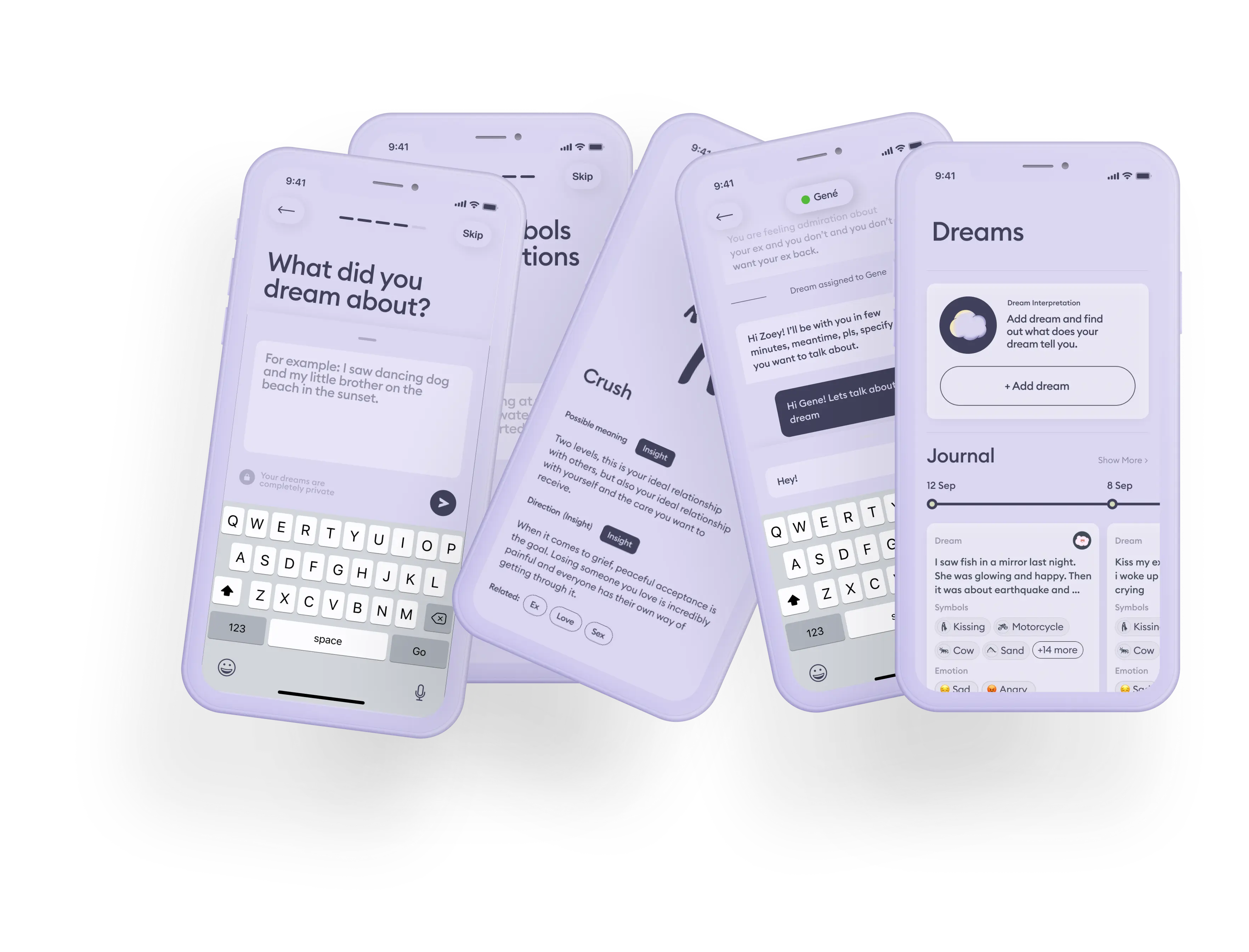
Take control of your dream emotions in the free mobile app


The most recent users' dreams
Go to the user dreams page




















© 2024 Dreamapp Ltd
Follow us on Social:



Dream App
Free dream interpretations

(1,213)