Dream About Loneliness And Relief
Dream interpretation about Sexual Assault, Addiction, Arrested, Jail, Husband


This dream was about
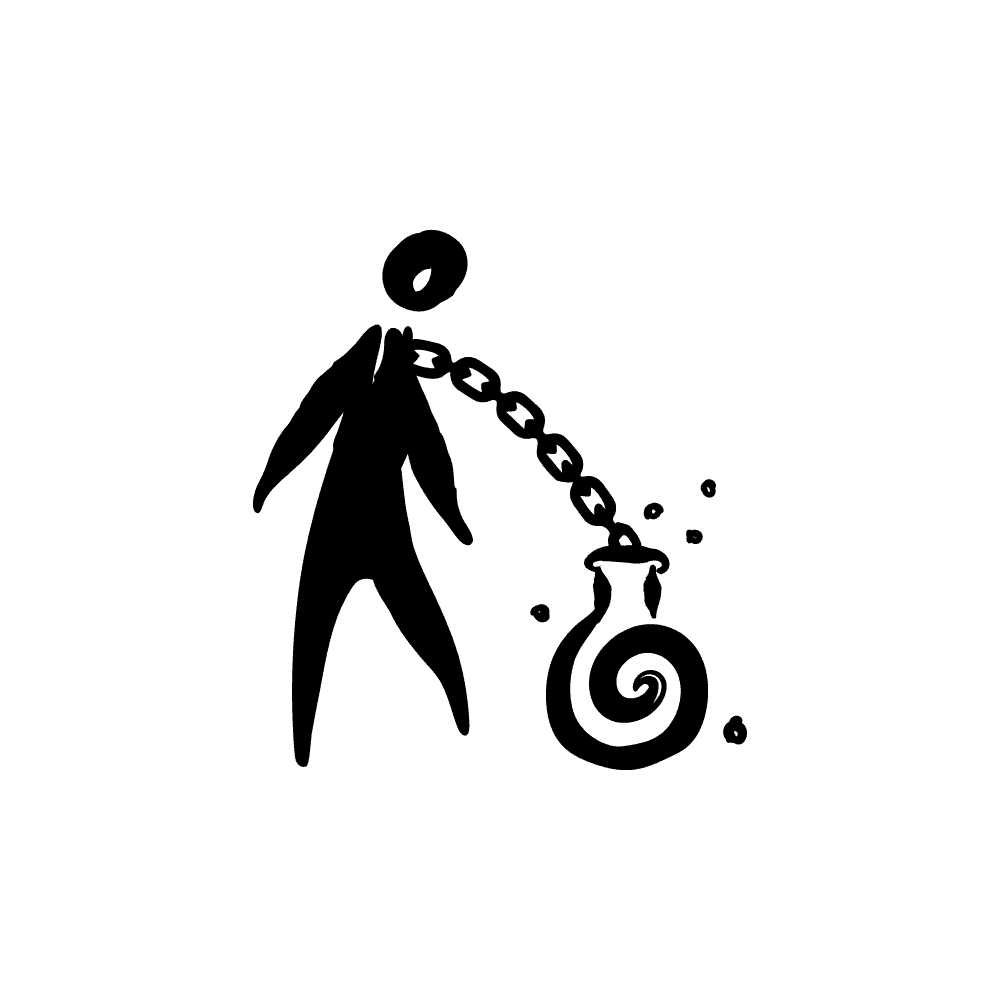
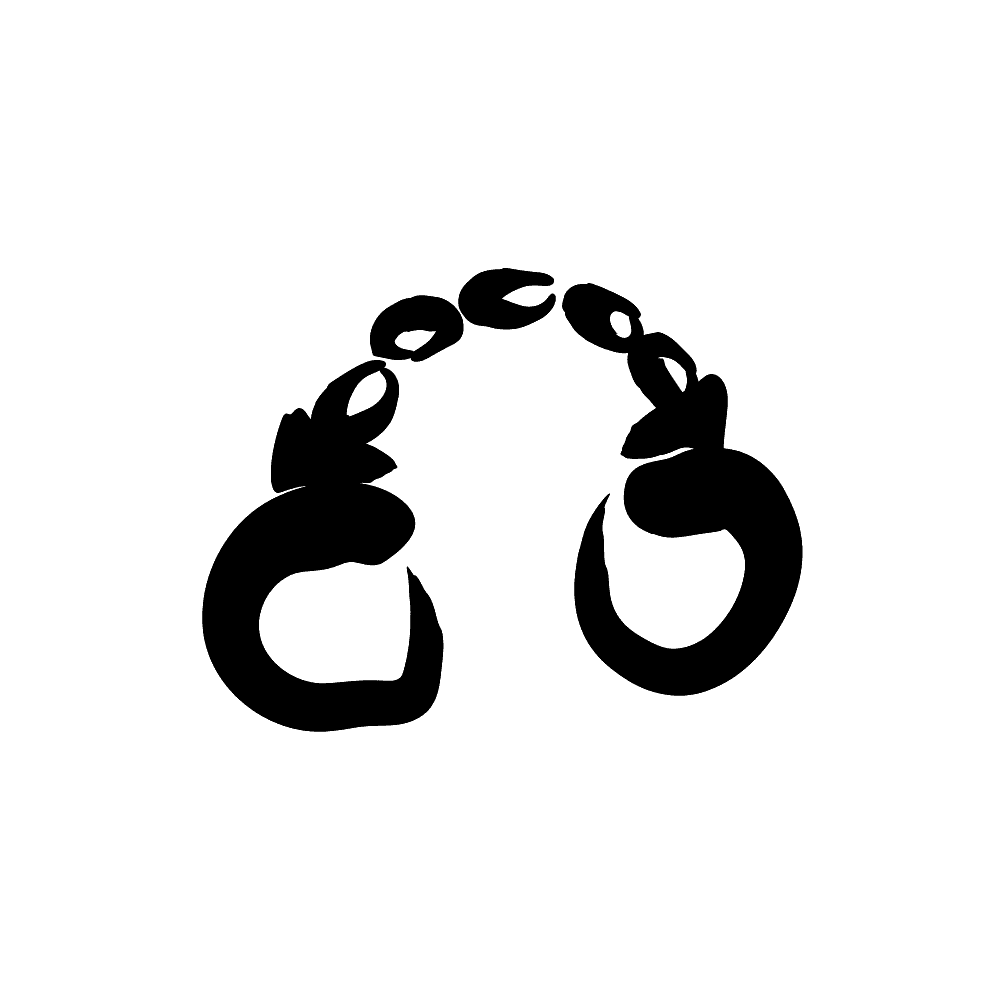
I dreamed of my waking life, which somehow made everything feel more real and more disturbing. Nothing about the world itself was different. My husband was still my husband. My life was still my life. We were still preparing to move. Everything appeared normal except for a handful of choices that I made in the dream—choices I would never willingly make in my actual life. In the dream, my husband and I decided to move back to Dallas. More specifically, we moved back to Oaklawn. For many people, Oaklawn is a vibrant and welcoming place. It’s often jokingly called the “GAYborhood” because of its many gay bars, businesses, and community spaces. But for me, it carries a different weight. After I was sexually assaulted, raped, and held against my will, we left Oaklawn and moved away. We spent six years building a life elsewhere. Returning there in my dream felt like willingly walking back into a fire. The moment we arrived, everything I hated and feared about that chapter of my life seemed to seep back into me. It was as though the streets, buildings, and familiar places carried memories that had been waiting for me. The feeling wasn’t nostalgia. It was dread. Before long, I relapsed. Not only did I begin using methamphetamine again, but I was assaulted again as well. What struck me most about the dream wasn’t the assault itself. It was what happened afterward. I immediately believed that everything was my fault. The relapse was my fault. The assault was my fault. Every terrible thing that happened felt like a direct consequence of my decisions. There was no room for compassion or understanding in the way I viewed myself. I didn’t see myself as someone who had been hurt. I saw myself as someone who had chosen this outcome. The shame was overwhelming. I felt contaminated by my own choices. I felt as though I had knowingly walked back into danger and therefore deserved whatever happened to me there. I carried the assault as a secret because I believed that if anyone knew the truth, they would see what I saw: someone who had brought all of this upon himself. Most painfully, I couldn’t tell my husband. I desperately wanted to tell him, but I felt certain that if I did, he would see me differently. I imagined disappointment, anger, disgust, and exhaustion. I imagined him looking at me and seeing a person who had thrown away years of hard work and recovery. Eventually, the weight of everything became too much to carry alone. I told him what had happened. I told him about the relapse. I told him about the assault. And then something happened that was somehow worse than everything that had come before. He stopped talking to me. He wasn’t angry. He wasn’t yelling. He wasn’t crying. He was silent. Completely silent. He wouldn’t discuss the assault. He wouldn’t discuss the relapse. He wouldn’t discuss anything at all. It felt like I no longer existed. The silence became unbearable because there was no way to understand it. If he had screamed at me, I would have known he was angry. If he had cried, I would have known he was hurt. But the silence left me alone with my own thoughts, and those thoughts became increasingly cruel. I convinced myself that I deserved it. I convinced myself that his refusal to speak to me wasn’t abandonment but justice. A punishment. Proof that I was finally seeing myself the way everyone else did. I remember begging him to say something—anything. I wanted him to yell at me if that was what he needed. I wanted him to tell me he hated me. I wanted him to tell me he was disappointed. I even tried provoking him because any reaction felt better than being ignored. But no matter what I did, I was met with nothing. The silence remained. I’ve never felt so alone. The loneliness in the dream was so complete that it felt physical. It wrapped around me like a weight I couldn’t escape. It followed me from room to room. Every attempt to reconnect with him failed, and every failure deepened my belief that I was beyond forgiveness. Ironically, the pain of the relapse and assault wasn’t what pushed me deeper into addiction. It was the loneliness. It was believing that I had lost the people who mattered most. It was believing that there was no longer a place for me in the life I had built. The more isolated I became, the more desperately I turned toward the very thing that was destroying me. I found myself trapped in a cycle where the drugs created distance, and the distance created a need for more drugs. The addiction became both the wound and the attempted cure. As the dream continued, I became consumed by desperation. Finding more meth became the only thing that mattered. I no longer recognized myself. The life I had worked so hard to build felt impossibly far away, like something that belonged to another person. Eventually, that desperation led me to buy drugs from someone I didn’t know. That’s when everything finally collapsed. I was caught. I was arrested. I was taken to jail. Oddly enough, that was the moment the nightmare stopped getting worse. The arrest wasn’t frightening. It was a relief. For the first time in the dream, I felt safe. I no longer had access to drugs. I no longer had to hide. I no longer had to make decisions. Most importantly, I wasn’t alone anymore. The people around me had stories similar to mine. They understood addiction, shame, regret, and self-destruction. For the first time since the dream began, I felt connected to other people again. I had friends. I had community. I had human connection. And that feeling, the relief of finally belonging somewhere, even in a prison cell, was what I carried with me when I woke up. That is what has stayed with me most. Not the relapse. Not the assault. Not even the arrest. What stayed with me was the profound loneliness that existed throughout the dream and the overwhelming relief I felt when I was no longer carrying everything by myself. I woke up confused by that feeling. I woke up trying to understand why imprisonment felt safer than freedom, why being arrested felt comforting, and why the greatest source of pain in the dream wasn’t violence or addiction but isolation. Even now, I don’t know exactly what the dream means. I only know that while I was dreaming, the loneliness felt real, the shame felt deserved, and the relief of finally finding human connection felt powerful enough to make me forget, if only for a moment, that I was in a prison at all.

Dream date:
17 Jun 2026
AI-generated Dream Radar
AI-generated Dream Analysis
Summary:
Emotional tone:
Frequency:
Intensity:
Realism:
Vividness:
Coherence:
Dream symbols



AI-generated Dream Details
AI-generated Dream Review

 Connect with a therapist
The content above was generated by AI, under the supervision of experts in dream interpretation. The AI model was developed using the latest advancements in psychology and dream analysis.
What do you think about this dream?
Latest comments
Participate in insightful discussions, track other dreamers, and view their responses.
Popular discussions
DreamApp is a dream interpretation app that knows what your dream means.
We explain why you have seen this dream and use it to identify what is blocking your mental health and happiness.

TOP50
TOP50
Health & Fitness Apps, USA

1.6M
1.6M
Downloads
3.9M
3.9M
Dreams Analyzed
Try now
© 2024 Dreamapp Ltd
Follow us on Social:



Dream App
Free dream interpretations

(1,213)