

Denys Chumak
18 Nov 2024
The Science of Sleep
In short: How sleep actually works: the stages, what each one does, how much you need, and what happens to body and mind when you do not get it.
You spend about one-third of your life sleeping, but do you know what happens during that time? Sleep is a complex, dynamic process that plays an important role in your health and well-being. While we tend to think of sleep as simply "resting," it's much more than that. Your body and brain go through distinct stages during sleep, each serving vital functions like memory consolidation, physical repair, and emotional processing.
In this detailed guide, we'll explore the science of sleep, look into the various stages, and examine how these stages impact your dreams. We'll also take a look at the scientists who have shaped our understanding of sleep and provide tips on how you can improve your sleep quality.
Four Stages of Sleep
Sleep is not a single, continuous process. Instead, it is divided into two main categories: Non-Rapid Eye Movement (NREM) and Rapid Eye Movement (REM) sleep. NREM sleep consists of three stages, while REM sleep is the phase where most dreaming occurs.
Each stage plays a unique role in maintaining both physical and mental health.
On average, a complete sleep cycle takes about 90 to 120 minutes, and you go through 4-6 cycles every night. Let’s break down these stages in detail.
1. Stage 1: NREM (Light Sleep)
Stage 1 is the lightest stage of sleep and occurs right after you fall asleep. It’s the transition from wakefulness to sleep and lasts for about 1-7 minutes. During this stage, your body begins to relax, and your brain waves slow down.
-
Key Activity: In Stage 1, your body undergoes slight muscle contractions, your breathing slows, and your brain shifts from alpha waves (associated with being awake) to theta waves (associated with light sleep).
-
Importance: This stage prepares your body for deeper sleep. Though it's a very light sleep, it’s critical for setting the stage for the rest of your sleep cycle.
Example: Have you ever experienced a "hypnic jerk"—that sudden, brief feeling of falling right before you drift off to sleep? This often happens during Stage 1 sleep.
2. Stage 2: NREM (Deeper Sleep)
Stage 2 accounts for the majority of your sleep time, making up about 45-50% of the night. Your body temperature drops and your heart rate slows as your body transitions into a deeper state of relaxation. Your brain also starts showing sleep spindles, which are bursts of rapid brain activity that help process memories.
-
Key Activity: Sleep spindles and K-complexes (sharp brainwave patterns) dominate this stage, contributing to memory consolidation and information processing.
-
Importance: Stage 2 is critical for cognitive functions like learning and memory retention. This is also the stage where your body conserves energy and prepares for the deeper stages of sleep that follow.
Example: Even though you're still in a light sleep, being awoken during Stage 2 can leave you feeling like you weren't sleeping at all.
3. Stage 3: NREM (Deep Sleep)
Stage 3 is also known as slow-wave sleep or deep sleep. It’s the most restorative stage, and your body uses this time to repair muscles, tissues, and boost your immune system. This stage is crucial for physical recovery, and it typically occurs in the first half of the night.
-
Key Activity: Your brain produces delta waves, the slowest type of brain waves. During this time, your body experiences the most substantial drop in heart rate and breathing, and you are less responsive to external stimuli.
-
Importance: Deep sleep is essential for waking up feeling refreshed and energized. Without enough Stage 3 sleep, you may feel tired and groggy even after spending a lot of time in bed.
Example: Have you ever woken up in the middle of the night feeling disoriented and confused? That’s because you were likely in deep sleep when you were woken up, which makes it difficult to regain full alertness.
4. Stage 4: REM Sleep (Dreaming Stage)
REM (Rapid Eye Movement) sleep occurs about 90 minutes after you fall asleep. This is the phase where most of your dreaming happens. Your brain activity during REM sleep is similar to that when you're awake, which explains why dreams can feel so vivid and real. REM sleep plays a critical role in emotional regulation and memory processing.
-
Key Activity: During REM sleep, your eyes move rapidly behind your eyelids, and your brain waves resemble those of wakefulness. Interestingly, your body becomes paralyzed during this stage (except for your eyes and breathing muscles), which prevents you from acting out your dreams.
-
Importance: REM sleep is crucial for emotional health, cognitive functions, and memory consolidation. This stage also helps you process complex emotions and stressful events.
Example: Dreams in REM sleep are often bizarre, emotional, or even surreal. You might dream of flying, talking to animals, or revisiting past experiences. Scientists like Sigmund Freud and Carl Jung famously studied dreams, believing they offer a window into the unconscious mind.
Why Are These Sleep Stages Important?
Each stage of sleep serves a unique function, and together, they ensure that your body and mind recover and rejuvenate overnight. Let’s look at why these stages are crucial:
1. Physical Restoration: Stages 3 (deep sleep) is where your body repairs tissues, muscles, and boosts your immune system. This stage is also essential for regulating hormones like growth hormone, which aids in muscle repair and growth.
2. Cognitive and Emotional Health: Stages 2 and REM sleep are vital for memory consolidation and emotional regulation. Without sufficient REM sleep, you may struggle with emotional control and memory retention.
3. Energy Conservation: Stage 2 sleep conserves energy, allowing your body to use fewer resources while preparing you for the next day’s activities.
4. Mental Processing: REM sleep helps process emotions, memories, and experiences. It's during this stage that your brain organizes and stores information learned during the day.
How Do Sleep Stages Affect Dreams?
Dreams primarily occur during REM sleep, but they can also happen in lighter stages of NREM sleep, although they are less vivid and emotional. Famous dream researchers like Sigmund Freud and Carl Jung have debated the purpose of dreams for years.
-
Freud believed that dreams are a reflection of our unconscious desires and unresolved conflicts.
-
Carl Jung suggested that dreams are a gateway to understanding our deeper, collective unconscious.
Modern sleep scientists, such as Matthew Walker, argue that REM sleep and dreaming serve as an "emotional first aid," helping us process difficult experiences, regulate emotions, and even stimulate creativity. Dreams in REM sleep are particularly vivid because of the heightened brain activity that mimics wakefulness.
Have you ever had a dream that helped you solve a problem or come to a realization? REM sleep might be the reason why. Walker’s research suggests that your brain uses this stage to process and reorganize complex information, helping you see solutions that weren’t apparent before.
The Science Behind Sleep: Famous Contributions
Several scientists and researchers have contributed to our understanding of sleep, dreams, and their impact on our lives. Let’s highlight a few notable figures:
1. Sigmund Freud
Freud’s work in psychoanalysis laid the foundation for dream analysis. In his seminal work, [The Interpretation of Dreams (1899)](https://en.wikipedia.org/wiki/The_Interpretation_of_Dreams#:~:text=The%20Interpretation%20of%20Dreams%20(German,theory%20of%20the%20Oedipus%20complex.), Freud proposed that dreams are a reflection of unconscious desires and unresolved conflicts. He believed that understanding dreams could lead to deeper self-awareness and psychological insight.
2. Carl Jung
Jung, a disciple of Freud who later diverged from his mentor’s theories, proposed that dreams are a pathway to understanding the collective unconscious—a set of shared, universal experiences and archetypes. According to Jung, dreams provide symbols that reveal deeper truths about our personalities and emotional lives.
3. Matthew Walker
Walker is a modern-day sleep scientist and author of the book Why We Sleep, which explains the importance of sleep for mental health, learning, and emotional well-being. His research shows that REM sleep helps regulate emotions and enhances cognitive function, making it easier to process traumatic or stressful experiences.
What Happens If You Don’t Get Enough Sleep?
A lack of sleep can disrupt the natural flow of your sleep stages, leading to a range of health issues. Missing out on certain stages—like deep sleep and REM sleep—can negatively affect both your physical and mental well-being.
Short-Term Effects:
-
Irritability and Mood Swings: A lack of REM sleep can make it harder to regulate emotions, leading to increased irritability or mood swings.
-
Cognitive Impairment: Without enough Stage 2 sleep, you may find it harder to focus, remember information, or make decisions.
-
Physical Fatigue: Inadequate deep sleep (Stage 3) can leave you feeling physically tired and drained, even if you spend a full night in bed.
Long-Term Effects:
-
Chronic Health Issues: Regularly missing out on deep sleep can lead to serious health issues like high blood pressure, heart disease, and weakened immunity.
-
Weight Gain: Poor sleep disrupts hormones that control hunger and appetite, leading to overeating and weight gain.
-
Memory Problems: REM sleep is essential for memory consolidation, so a lack of REM sleep can result in memory lapses and difficulty learning new information.
How to Improve Your Sleep Quality
Good sleep doesn’t happen by accident—it requires healthy habits and a conducive environment. Here are some tips to help you get better sleep and optimize the stages of sleep:
Stick to a Sleep Schedule: Go to bed and wake up at the same time every day, even on weekends.
Create a Relaxing Bedtime Routine: A warm bath, reading a book, or meditating can signal your brain that it’s time to wind down.
Limit Screen Time Before Bed: The blue light emitted by phones, tablets, and TVs can disrupt your circadian rhythm. Try to avoid screens at least an hour before bed.
Make Your Room Sleep-Friendly: Keep your bedroom cool, dark, and quiet. Consider using blackout curtains or a white noise machine if needed.
Avoid Heavy Meals and Caffeine: Eating a large meal or consuming caffeine before bed can make it harder to fall asleep and disrupt your sleep stages.
Conclusion
Sleep is a vital yet complex process that is essential for both mental and physical health. Each stage of sleep—from light sleep to REM—serves a unique and important purpose in keeping your body functioning at its best. Understanding the science behind sleep can help you appreciate the importance of getting enough rest and, more importantly, achieving high-quality sleep.
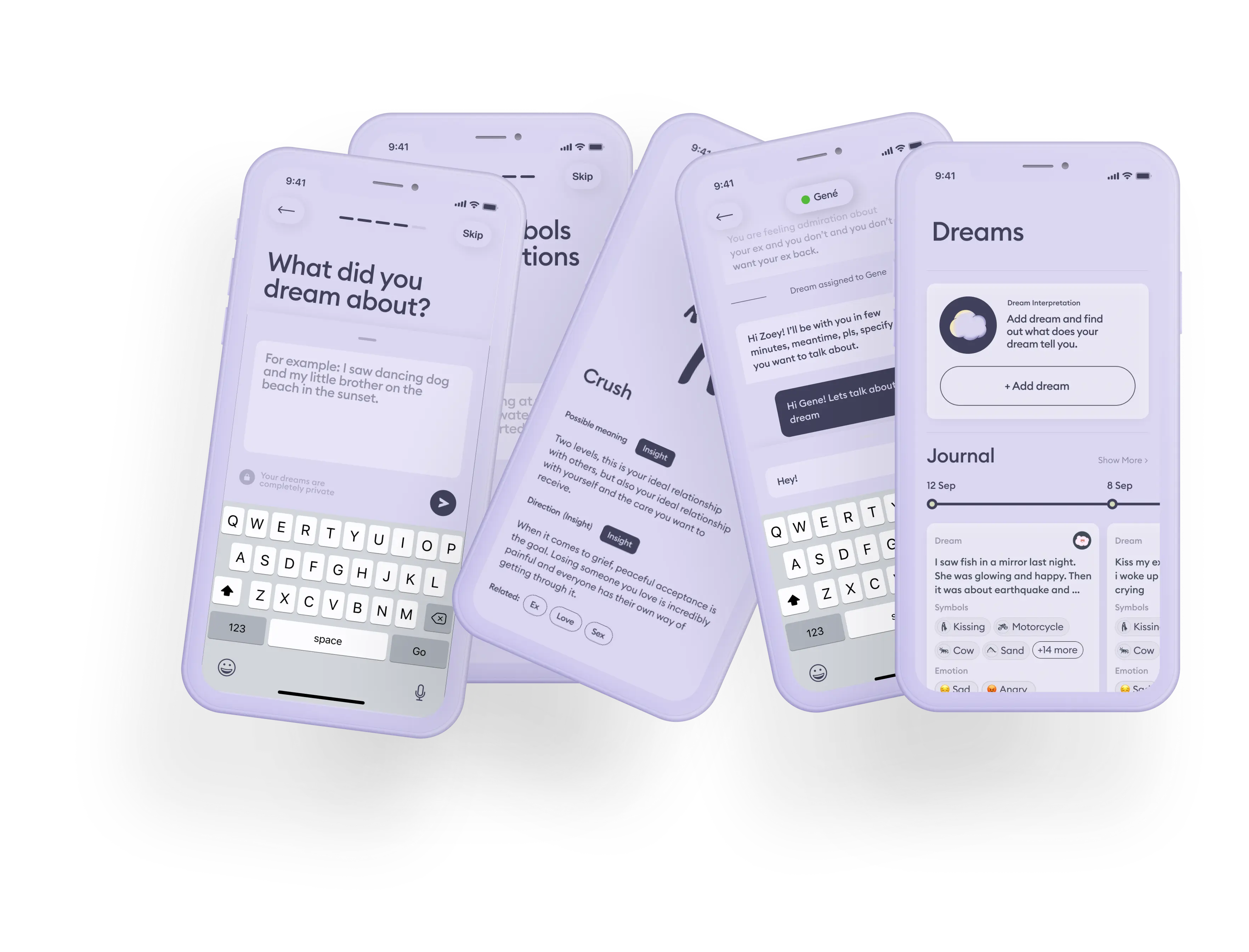
If you're looking for a deeper understanding of your dreams and how they reflect your subconscious mind, check out DreamApp, a tool designed to help you interpret your dreams and improve your sleep quality.
FAQs
1. How many sleep cycles should I go through each night?
Most people go through 4-6 sleep cycles per night, with each cycle lasting about 90-120 minutes.
2. What happens if I wake up during REM sleep?
Waking up during REM sleep can leave you feeling groggy or disoriented because your brain is in the middle of processing emotions and memories.
3. Can I skip stages of sleep?
No, your body cycles through all stages of sleep naturally. However, disruptions like sleep disorders or environmental factors can cause you to spend less time in certain stages, impacting your overall sleep quality.
4. Do all sleep stages contribute to restfulness?
Yes, but each stage serves different purposes. Deep sleep is critical for physical recovery, while REM sleep is essential for emotional health and memory processing.
5. How can I ensure I get enough REM sleep?
Maintaining a regular sleep schedule, reducing stress, and avoiding alcohol before bed can help you get the REM sleep your body needs.
Explore the dream symbol
Sleep →

Did you have an unusual dream with this symbol?
Let's analyze this dream with our expert!
At least five words, please.

Your dreams are completely private
Take control of your dream emotions in the free mobile app


The most recent users' dreams
Go to the user dreams page





















© 2024 Dreamapp Ltd
Follow us on Social:



Dream App
Free dream interpretations

(1,213)