
Denys Chumak
20 Oct 2026
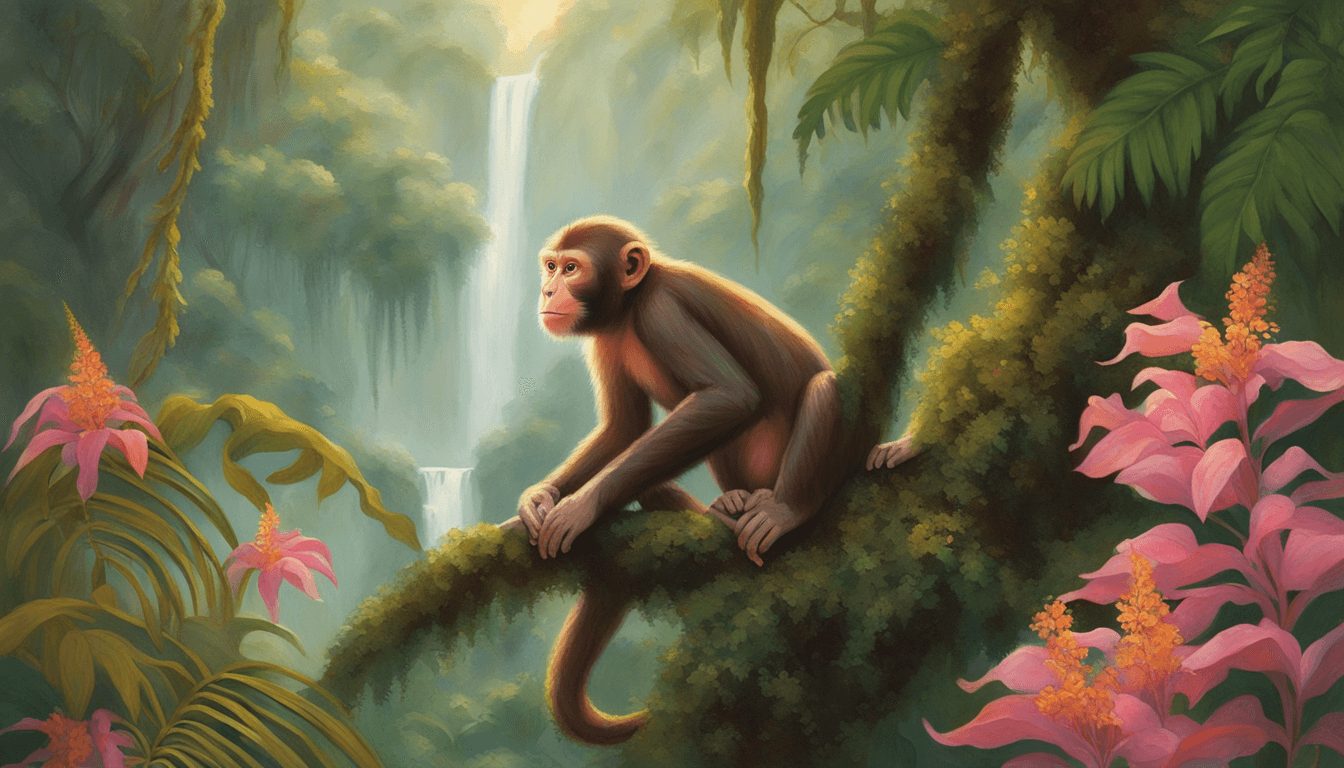
Dream About a Monkey: Full Interpretation Guide
In short: A dream about a monkey often points to restlessness, mimicry, or a playful part of you acting out. Here's what the different versions actually mean.
You woke up thinking about a monkey. Maybe it was chasing you, maybe it stole something from your hands, maybe it just sat there watching you with those unsettlingly human eyes. Now you're wondering if your mind is trying to tell you something about how you're acting, or reacting, in waking life. It probably is, and the message is usually more specific than "you're acting silly."
Monkeys show up in dreams more often than people expect, and they tend to appear during periods when something in you feels unruly, imitative, or hard to pin down. This guide walks through what the dream commonly means, the most frequent variations, and what to actually do with the insight once you've had it.
What a Dream About a Monkey Commonly Means
Monkeys are mirrors with fur. They copy, they fidget, they grab, they swing from one thing to the next without much warning. In dream language, that combination usually represents a part of your personality that feels impulsive, mimicking, or not fully under your control. Think of the monkey as the part of your mind that reacts before you've thought things through, or the part that's been copying someone else's behavior instead of finding your own.
In many traditions, the monkey also carries a trickster quality. It's clever, a little mischievous, and often shows up right when you think you have things figured out, just to remind you that you don't have as much control as you believe. If you've been feeling scattered, pulled in different directions, or caught imitating a boss, a parent, or a partner instead of acting from your own values, a monkey dream is a fairly direct way for your mind to flag it.```r
There's also a simpler, more primal reading. Monkeys are close relatives, evolutionarily speaking, and dreaming of one can represent your own "animal" self, the instinctual, playful, sometimes undisciplined part of you that exists underneath the polished version you show the world. Carl Jung would have called this part of the shadow, the stuff we don't lead with in daily life but that still drives a surprising amount of our behavior.
Common Monkey Dream Scenarios and What They Suggest
The general meaning shifts quite a bit depending on what the monkey was doing, how many there were, and how you felt during the dream. Here are the variations that come up most often.
A Monkey Chasing You
Being chased by a monkey usually points to something playful or impulsive that you're trying to outrun, often unsuccessfully. This could be a habit you keep promising to break, a flirtation you're avoiding, or a childish reaction pattern that keeps resurfacing in arguments. The chase itself matters less than the fact that it's persistent. Your mind is saying this behavior or urge isn't going away just because you ignore it. It wants acknowledgment, not more distance.
A Monkey Biting or Attacking You
An aggressive monkey in a dream often reflects a part of yourself, or someone close to you, that feels unpredictable or has turned sharp recently. If the dream felt genuinely threatening, it may be processing a real interaction where someone's behavior felt erratic or where you snapped at someone unexpectedly and are still unsettled by it. Ask yourself where in your life a small irritation has been building toward something bigger.
A Monkey Stealing Something From You
This is one of the most common monkey dream scenarios, and it tends to point directly at a fear of losing control over your time, attention, or resources. Monkeys stealing food, phones, or jewelry in dreams often shows up during periods when you feel like your energy is being pulled in too many directions, or when you suspect someone is taking credit, attention, or opportunity that should be yours. It's worth asking what exactly was taken in the dream and whether that object symbolizes something you're protective of right now.
Many Monkeys or a Troop of Monkeys
A whole group of monkeys usually signals social chaos rather than a personal issue. This version often appears when you're dealing with a noisy, gossipy, or overly competitive environment, a busy family gathering, a chaotic workplace, a friend group where everyone talks over each other. The dream isn't necessarily judging the people involved; it's reflecting how overstimulated and unable to think clearly you feel in that setting.
A Baby Monkey
Dreaming of a baby monkey tends to be gentler and often ties to something new and still developing, a young idea, a new relationship, or even an actual child or young person in your life whose behavior feels unpredictable but not threatening. Caring for a baby monkey in a dream can suggest you're nurturing a part of yourself that's still learning how to behave appropriately, which is a healthy sign rather than a warning.
A Monkey That Talks or Acts Strangely Human
When a monkey in a dream speaks, wears clothes, or behaves in an oddly human way, the dream is usually pointing straight at the mimicry theme. You may be, consciously or not, copying someone else's personality, opinions, or lifestyle instead of developing your own. This version can also appear when you feel like you're "performing" a version of yourself for others rather than being authentic.
If you're trying to untangle several dream symbols at once, not just the monkey but other recurring figures or animals, it can help to look them up individually in a dream symbol dictionary rather than guessing at the combination on your own.
The Psychological View: Why Your Mind Picks a Monkey
From a Freudian lens, animals in dreams often stand in for instincts we've repressed or haven't fully integrated, and the monkey, being so close to human in appearance and behavior, is an especially loaded symbol for impulses we recognize as "ours" but don't want to claim directly. It's easier to dream of a monkey stealing your lunch than to admit you've been petty or opportunistic at work.
Jung's take leans more toward the shadow and the trickster archetype. The trickster shows up across mythology precisely because every culture needs a figure that breaks rules, exposes hypocrisy, and reminds people not to take themselves too seriously. When a monkey appears in your dream, it may be performing that same function internally, poking at a part of your self-image that's gotten a little too rigid or serious.
Modern dream research, particularly the work on threat simulation and emotional processing, offers a more practical angle. Dreams tend to replay and exaggerate emotionally charged situations from your day or week so your brain can rehearse responses. A monkey that steals, bites, or chases is often your mind's exaggerated version of a smaller daily frustration, someone interrupting you, something being taken without permission, a conversation that felt chaotic. The animal form makes the feeling easier to examine because it's one step removed from the literal situation.
I'll admit the first time I had a monkey dream, I assumed it was random, until I noticed it kept showing up during weeks when I was overcommitted and saying yes to things I didn't want to do. The monkey wasn't a warning about anything exotic. It was just my own scattered energy, dressed up in fur.
When to Pay Attention
Most monkey dreams are not cause for concern, but a few patterns are worth noting if they persist.
If the dream recurs frequently, especially with the same action (chasing, stealing, biting), it's usually a sign that whatever impulsive or imitative behavior the dream is pointing to hasn't been addressed yet. Recurring dreams tend to stop once the underlying issue gets acknowledged or resolved.
If the dream leaves you feeling unusually anxious or physically shaken after waking, rather than just puzzled, it may be tied to a specific recent event, an argument, a betrayal, a moment where you felt out of control, that deserves more direct reflection than symbol analysis alone can offer.
If you notice the dream shows up right before specific situations, a work presentation, a family visit, a social event, pay attention to what those situations have in common. That pattern is often more informative than the dream content itself.
Practical Steps After a Monkey Dream
Start by writing down the dream in as much detail as you can remember, including how the monkey behaved and how you felt, before the details fade. Dreams lose specificity fast, usually within minutes of waking.
Next, ask yourself where in your current life you feel pulled toward impulsive, copying, or chaotic behavior, either in yourself or in someone close to you. Be honest rather than flattering; the dream picked a monkey for a reason.
If the dream involved theft, try to identify what was actually taken and what that object represents to you. Time, attention, credit, and affection are the most common stand-ins.
If the monkey felt playful rather than threatening, consider whether you've been too strict with yourself lately and whether some genuine lightness or spontaneity is overdue. Not every monkey dream is a warning; some are simply an invitation to loosen up.
Finally, if the dream keeps returning, try tracking it alongside your mood and daily events for a couple of weeks. Patterns tend to surface faster than you'd expect once you're actually looking for them.
Frequently asked questions
What does it mean to dream about a monkey attacking you?
It usually reflects a part of yourself, or someone around you, that has started acting unpredictably or aggressively, often in response to built-up frustration. Rather than reading it as a literal threat, consider where tension has been quietly accumulating in a relationship or situation and hasn't been addressed directly.
Is dreaming about a monkey a bad sign?
No, most monkey dreams aren't negative omens. They tend to reflect impulsive energy, mimicry, or chaotic circumstances rather than danger. The emotional tone of the dream, calm, playful, or distressing, matters far more than the simple presence of the monkey.
Why do I keep dreaming about monkeys specifically?
Recurring monkey dreams often point to an ongoing pattern of impulsive or imitative behavior that hasn't been resolved, or to a chronically chaotic environment you're navigating repeatedly, like a noisy household or an unpredictable workplace. The repetition is usually a nudge to name the pattern rather than keep absorbing it passively.


Did you have an unusual dream with this symbol?
Let's analyze this dream with our expert!
At least five words, please.

Your dreams are completely private
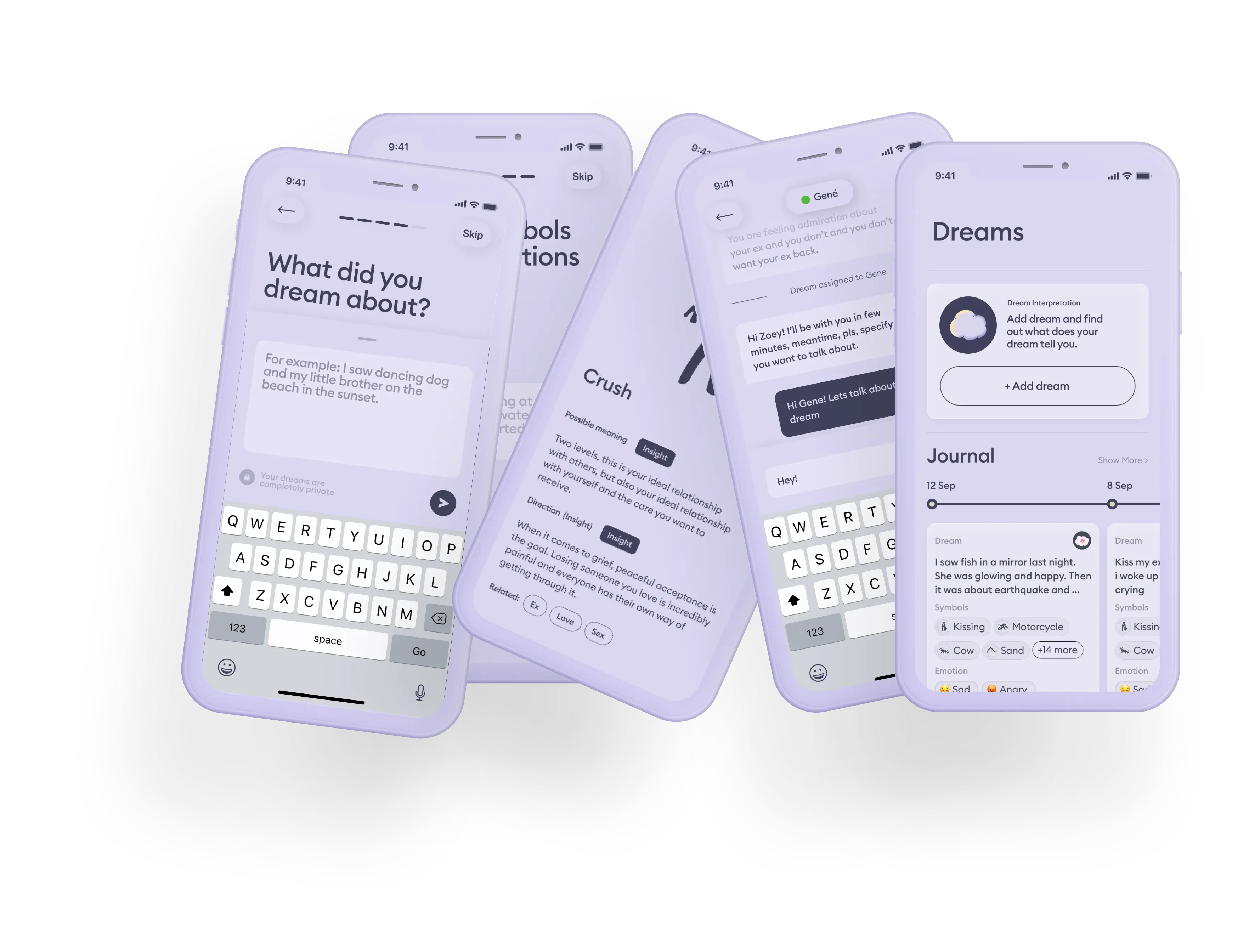
Take control of your dream emotions in the free mobile app


The most recent users' dreams
Go to the user dreams page




© 2024 Dreamapp Ltd
Follow us on Social:



Dream App
Free dream interpretations

(1,213)